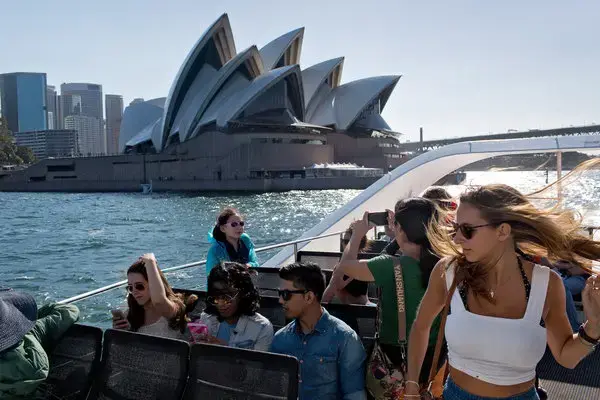

Australia as a country has been the favorite destination of the immigrants due to the good quality of education and employment opportunities and a good multicultural lifestyle. Nevertheless, over the recent years, the Australian government has introduced a number of policy changes, which have a profound impact on the flow of immigrant population of the country. Healthcare changes affect the future of the healthcare industry, and understanding these changes is important to prospective migrants, prospective employers and policymakers. We are discussing the recent policy changes and their significant consequences pertaining to the immigration environment in Australia in this blog.
1. The Visa Regulations and Rising of Skill Requirements
Among the most obvious changes in the policies, it is possible to note the stricter requirements of obtaining a visa, particularly in the area of skilled migration schemes. Higher proficiency requirements in English language and more rigorous evaluations of skills are to be introduced so that the most qualified individuals could gain access to the country. Although this increases the level of global competitiveness of Australia, it reduces the number of available immigrants that can be in a position to receive them, and this may take time with regard to influx of the skilled workers.
Fewer provisional skilled visas are given on an annual basis.
More focus on the skills in demand that affect patterns in migration to certain sectors such as healthcare, information technology, and engineering.
Increased competition among the applicants so as to make it more demanding and more apt in matching the Australian economy.
2. Focus on Temporary and Regional Migration
The recent policies have moved to concentrate at the regional migration routes and they also have incentives to make the migrants settle in the less populated regions. Regional visas are seen to be introduced to solve versatility in populations and to revitalize regional economies.
More sponsorship places at the regional level and the visas, including Skilled Work Regional (Provisional) visa.
It would be encouraging temporary visa holders to ease into permanent residency by way of regional pledges.
The slight demographic drift away with migration to metropolitan areas such as Sydney and Melbourne slowed a bit and an increased proportion of migrants are taking a look at regional Australia.
3. Changes in Points-Based Immigration System
Australia’s points-based immigration system has undergone several modifications to prioritize applicants with specific skills, work experience, and language proficiency. Recent adjustments have also placed more weight on factors like age and employment offers.
The minimum points’ threshold has increased, making it more competitive for younger applicants and those without job offers.
A greater focus on employer-sponsored visas, encouraging companies to play a role in the immigration process.
Potential delays and higher rejection rates for applicants who previously qualified under earlier criteria.
4. Stringent Health and Character Checks
In an attempt to boost health standards and character screening, all visa applicants have had their health and character related requirements tightened, particularly due to the health issues faced globally. This will involve more detailed healthcare checks and personality tests.
A process that takes longer time and scrutinizes more applications.
That they will hire fewer people in certain racial groups, since people with specific medical conditions or with criminal records will not be accepted.
Value accorded to the Australian standards of public health and safety.
5. The Global Events Response Policy
The COVID-19 pandemic has led to Australia adopting emergency measures including travel bans, quarantine to limit the spread of the virus and some visas got suspended on a temporary basis.
The fall of new arrivals during the pandemic was considered to be significant, and the recovery path is very slow.
More dependence on temporary and humanitarian visa.
Alterations in government policies to attract workers to recovery of the economy.
Conclusion
The latest developments in the Australian immigration policy are an indication of a calculated shift in the policy so that the further development of the economy and domestic integration and the preservation of national and personal security are balanced. Although these policies have added more barriers to potential migrants, they also depend on ensuring that the new residents are well educated, willing to giving back to Australian society and can fit under the long term developmental plans of the country.
As a prospective immigrant, one needs to be aware of the changes being made in these policies. Seeking advice with migration professionals and keeping abreast with the official government announcements may be one way of making the most of the available changes in the new regime. Australia is the place of perspectives—flexibility and awareness about the peculiarities of the policy will help your migration plans to come true.
If you're considering migrating to Australia or need personalized guidance, contact Fasttrack Immigration and feel free to reach out for expert advice tailored to your situation!