Relocating to the United Kingdom is exciting, but one thing that surprises many newcomers is the variety of weather they experience throughout the year. From crisp winter mornings to long summer evenings, each season brings its personality and challenges.
Whether you’re moving for study, work, or to experience British life, understanding the UK’s seasonal climate can help you prepare, pack smartly, and settle in with ease. This guide breaks down what to expect in each season, along with practical tips to make your first year in the UK a comfortable and memorable one.
An Overview of the UK’s Climate
The UK has a temperate maritime climate, meaning temperatures are generally moderate, but the weather can be unpredictable, sometimes changing several times in one day. While you won’t often see extreme heat or bitter cold, you will need to prepare for rain, wind, and occasional snow.
Regional differences also play a role:
Scotland and Northern Ireland tend to be cooler and wetter than southern England.
Coastal areas experience milder winters but can be windier.
London and the South East enjoy slightly warmer and drier conditions overall.
Season-by-Season Breakdown
1. Spring (March - May)
Spring in the UK is a refreshing change after winter. The days start getting longer, flowers bloom in parks, and temperatures gradually rise.
Average temperatures: 7°C - 15°C
Typical weather: Mild with occasional showers, sunny intervals, and brisk mornings.
Daylight hours: By May, sunset can be as late as 9 pm.
What to wear:
Lightweight jacket or trench coat.
Layered clothing, a jumper or cardigan over a shirt, works well.
Comfortable shoes for walking, preferably waterproof.
Lifestyle tips:
Make the most of spring festivals like the RHS Chelsea Flower Show.
Visit countryside areas such as the Cotswolds or the Lake District when the blossoms and greenery are at their peak.
Expect occasional hay fever season in late spring; antihistamines may be handy if you’re prone to allergies.
2. Summer (June - August)
Summer in the UK can be pleasant and bright, though heatwaves have become more common in recent years. Unlike some countries, UK summers don’t always guarantee continuous sunshine; rain showers can still surprise you.
Average temperatures: 15°C - 25°C (occasionally above 30°C during heatwaves).
Typical weather: Warm and sunny with intermittent rain or cloudy days.
Daylight hours: June sees up to 16-17 hours of daylight, with sunset after 9:30 pm in some areas.
What to wear:
Light clothing, cotton shirts, dresses, or T-shirts.
Sunglasses and sunscreen (UV levels can be high on clear days).
A light cardigan or jumper for cooler evenings.
Lifestyle tips:
Enjoy outdoor activities, picnics, seaside trips, and open-air concerts.
Popular events like Wimbledon and music festivals fill the summer calendar.
Be mindful of heatwaves, stay hydrated, and use fans or shade to keep cool indoors.
3. Autumn (September - November)
Autumn paints the UK in beautiful shades of gold and red. It’s a transitional season, with warm September days giving way to crisp, cooler weather by November.
Average temperatures: 10°C - 17°C in early autumn; dropping to 5°C - 10°C by November.
Typical weather: Mild at first, turning chilly; frequent rain showers and occasional fog.
Daylight hours: Noticeably shorter; by November, sunset can be as early as 4:30 pm.
What to wear:
Medium-weight jackets or coats.
Layered outfits to adapt to changing temperatures.
Sturdy, waterproof footwear, as autumn can be rainy.
Lifestyle tips:
Enjoy autumn walks in parks and woodlands; the foliage is spectacular.
October and November are ideal for cosy indoor activities like visiting museums or tea rooms.
Prepare your home for cooler weather, check heating and insulation.
4. Winter (December - February)
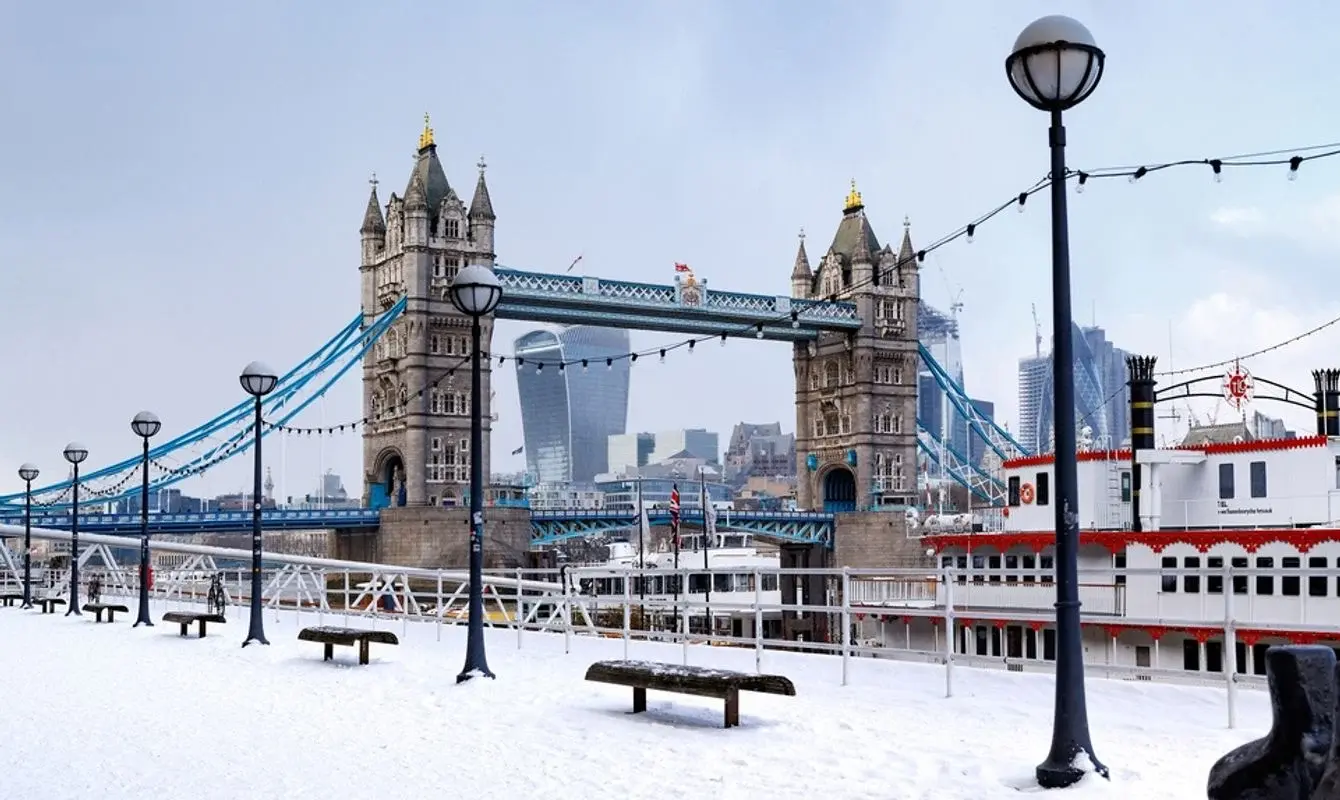
Winter in the UK is generally cold but rarely extreme. Some regions, especially Scotland and northern England, see regular snow, while the south may experience only occasional flurries.
Average temperatures: 2°C - 7°C (can drop below freezing in some areas).
Typical weather: Cold, windy, with frosty mornings; rain is more common than snow.
Daylight hours: Shortest in December, with sunset as early as 3:30 pm in northern areas.
What to wear:
Warm winter coat, preferably insulated and water-resistant.
Thermal layers, scarves, gloves, and hats.
Waterproof boots with a good grip if you’re in a snowy region.
Lifestyle tips:
Embrace festive traditions like Christmas markets and New Year celebrations.
Plan indoor activities to avoid the chill; theatres, galleries, and cosy pubs are popular choices.
Be aware of icy pavements, walk carefully, and allow extra travel time.
Practical Tips for Adapting to the UK Climate
For newcomers arriving from warmer or colder climates, the UK’s seasonal shifts can feel quite different. Give yourself time to adjust, especially in your first few months after moving - your body and routine will naturally adapt with the right habits.
Always Carry an Umbrella or Waterproof Jacket – Rain can appear suddenly, even on sunny mornings. A compact umbrella or lightweight waterproof jacket will save you from many soggy commutes.
Invest in Layering – Temperatures can change throughout the day, so having removable layers helps you stay comfortable without constantly changing clothes.
Learn to Read the Weather Forecast – Apps like the Met Office or BBC Weather are useful for planning outfits and activities.
Prepare Your Home for Seasonal Changes – Check heating systems in autumn, invest in a fan for summer, and consider blackout curtains to manage daylight in long summer evenings or dark winter mornings.
Embrace Seasonal Activities – Each season in the UK offers unique experiences, from spring bluebell walks to winter ice skating. Participating in these can help you connect with local culture and enjoy your new surroundings.
Cultural and Social Adjustments Linked to the Weather
In the UK, the weather often influences social life:
Sunny days, especially in spring and summer, see parks, pubs, and outdoor cafes fill quickly.
Winter and autumn bring a “cosy culture”, think warm drinks, comfort food, and time spent indoors.
British people love to talk about the weather; it’s a safe and common conversation starter, especially for newcomers trying to make friends.
Packing Checklist for Your First Year in the UK
If you’re relocating for study, work, or to join family, packing with the UK’s weather in mind can save you time, money, and a lot of last-minute shopping. Having the right layers from day one means you can focus on settling in instead of scrambling for essentials.
Clothing:
Lightweight rain jacket.
Mid-weight coat for autumn.
Insulated winter coat.
Variety of sweaters/jumpers.
Mix of short- and long-sleeved tops.
Comfortable jeans/trousers.
Formal wear if you plan to attend special events.
Accessories:
Compact umbrella.
Gloves, scarf, and warm hat.
Sunglasses.
Waterproof footwear.
Seasonal Items:
Thermal layers for winter.
Light, breathable clothing for summer.
Sturdy walking shoes for exploring.
Final Thoughts for Newcomers
The UK’s seasons each bring their charm, challenges, and opportunities. From picnics under summer skies to cosy winter evenings, embracing the climate is part of enjoying life in your new home. By preparing thoughtfully for each season, you’ll not only stay comfortable but also make the most of your time in the UK.
Adapting to the weather isn’t just about staying comfortable - it’s part of building your new life here. Whether you’re starting a job, joining a university, or reuniting with family, being ready for the seasons helps you settle faster and feel more at home.
If you’re planning to move to the UK, understanding the weather is just one part of preparing for your new chapter. For expert guidance on Student, Work, or Visitor visas, along with support for every stage of the immigration process, the team at Fasttrack Immigration is here to help you every step of the way.